Future-Proof & Sustainable Builds
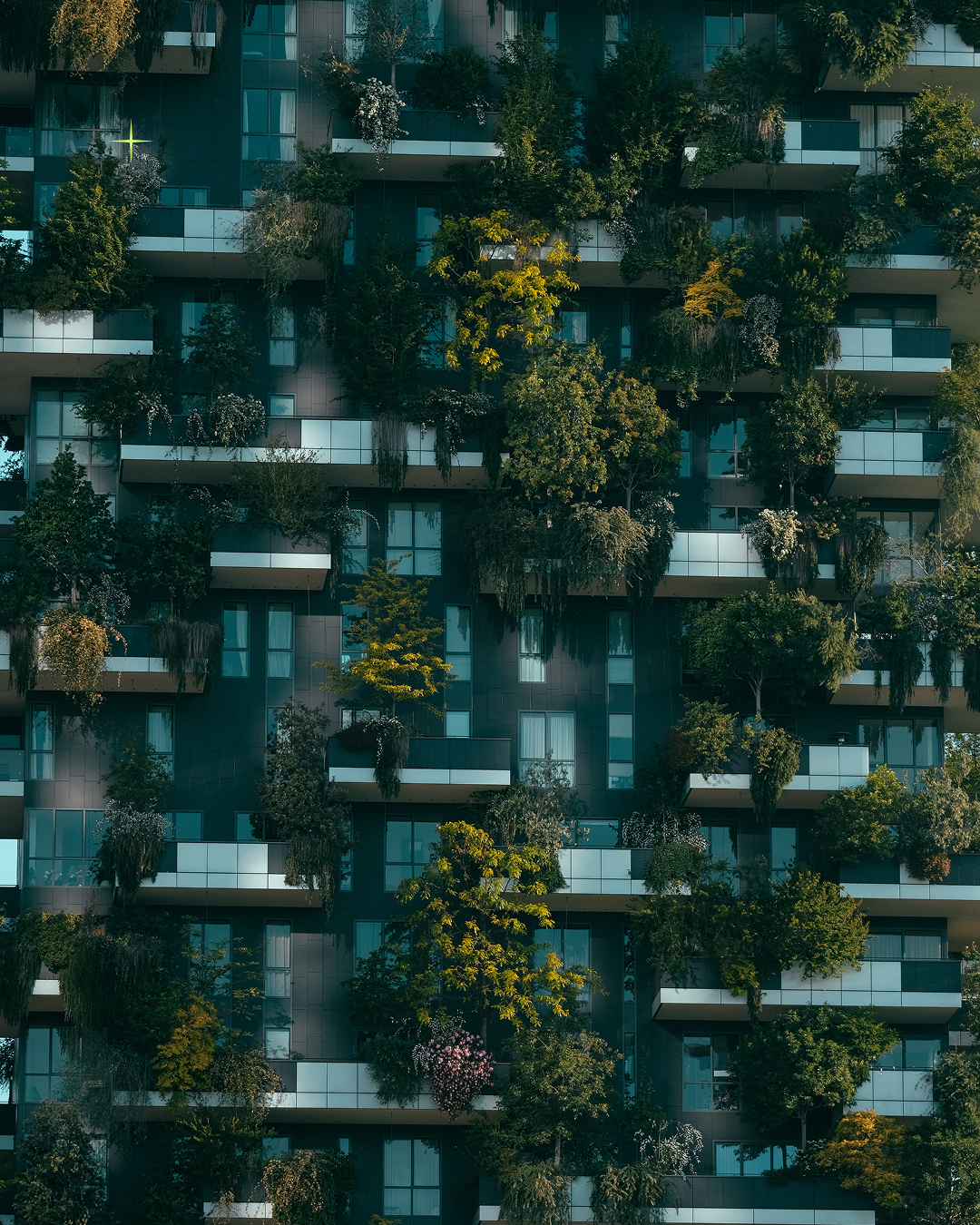
The way we think about homes is changing.
The way we think about homes is changing.
Today's buyers are looking for more than attractive architecture and modern interiors. They want homes that can adapt to future needs, reduce environmental impact, and maintain their value over time.
This shift has made future-proof and sustainable construction one of the most important priorities in modern residential development.
Building Beyond Today's Needs
A home is a long-term investment.
While design trends may change, the core functionality of a property should remain relevant for decades. That's why forward-thinking developments are designed with flexibility and longevity in mind.
Future-proof homes anticipate how lifestyles may evolve. They provide spaces that can adapt to changing family needs, remote work arrangements, new technologies, and shifting living preferences.
The goal is not simply to build for today, but to create homes that continue to perform well in the future.
Sustainability as a Long-Term Strategy
Sustainable construction is often associated with environmental responsibility, but its benefits extend far beyond that.
Well-designed sustainable homes can offer:
- Lower energy consumption
- Reduced utility costs
- Improved indoor comfort
- Better air quality
- Increased property value
- Lower maintenance requirements
For homeowners, these advantages create both immediate and long-term value.
For developers, sustainable design contributes to stronger, more resilient communities.
Smart Design Starts at the Planning Stage
Sustainability is not something that can be added at the end of a project.
It begins during the earliest stages of planning and design.
Factors such as building orientation, natural light, insulation, ventilation, and material selection all play an important role in the long-term performance of a home.
By carefully considering these elements from the start, developers can create properties that are more efficient, comfortable, and durable.
Materials That Stand the Test of Time
The quality of construction materials has a direct impact on sustainability.
Durable materials reduce the need for repairs and replacements, helping homes retain their value while minimizing waste over time.
Selecting materials that combine longevity, efficiency, and environmental responsibility is an essential part of future-focused development.
A sustainable home is not only about how it is built—it is also about how well it performs throughout its lifespan.
Designing for Modern Living
The homes of the future must support changing lifestyles.
Flexible layouts, dedicated workspaces, energy-efficient systems, and smart home technologies are becoming increasingly important for modern homeowners.
Developments that embrace these features are better positioned to meet future expectations while remaining attractive in an evolving market.
Future-proof design creates homes that can adapt without requiring significant renovation or structural changes.
Creating Lasting Value
One of the greatest advantages of sustainable development is its ability to preserve value over time.
Homes that are energy-efficient, well-designed, and built with durability in mind are often more desirable to future buyers and residents.
As environmental awareness continues to grow, sustainability is becoming not just a preference, but an expectation.
Developments that prioritize long-term performance are better equipped to meet those expectations.
Final Thoughts
Future-proof and sustainable construction is about more than following industry trends.
It is about creating homes that remain functional, efficient, and valuable for years to come.
By combining thoughtful design, quality materials, and sustainable building practices, developers can create spaces that serve today's homeowners while preparing for the needs of tomorrow.
The best homes are not simply built to last—they are designed to evolve with the people who live in them.