Concept → Blueprint: Design That Holds Value
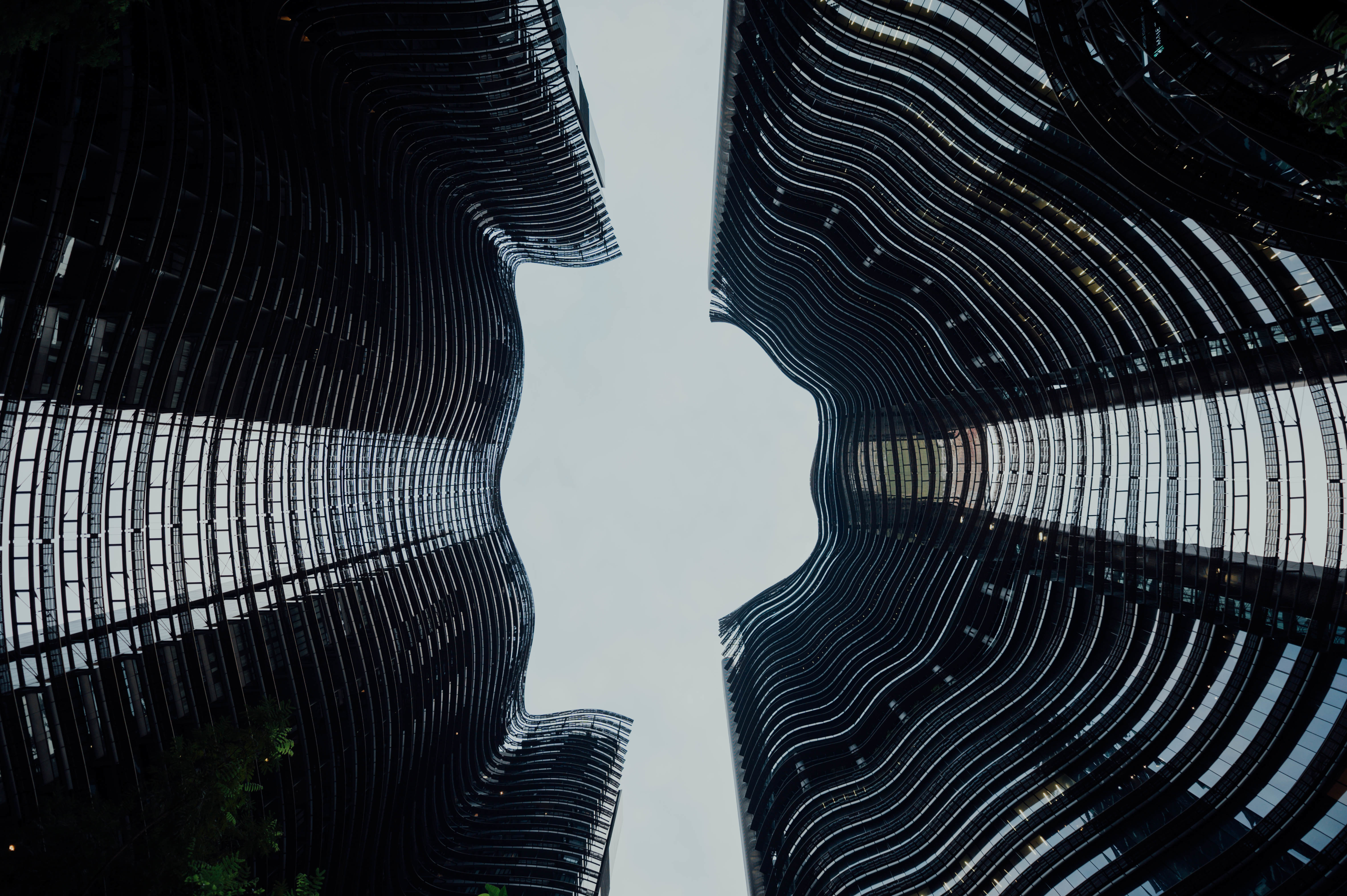
Every successful home begins long before construction starts.
Every successful home begins long before construction starts.
Before the foundations are laid and the first walls are built, there is a concept—a vision of how people will live, interact, and grow within a space.
The journey from concept to blueprint is one of the most important stages in residential development. It's where ideas become plans, and where long-term value is created.
Every Home Starts With a Vision
A great residential project begins by asking simple but important questions:
- Who will live here?
- How will they use the space?
- What does modern living require?
- How can the home remain functional for years to come?
A concept is more than an architectural style or a collection of floor plans. It defines the purpose of a home and the experience it should provide.
The best developments are designed around people, not just buildings.
Turning Vision Into a Blueprint
A blueprint transforms ideas into a practical plan.
It determines how every square meter will function, how natural light will enter a space, how rooms connect, and how residents will move through their homes every day.
At this stage, design decisions begin to shape the future value of a property.
Well-designed layouts improve comfort, flexibility, and usability. Poor planning can create limitations that remain long after construction is complete.
This is why thoughtful design is one of the most important investments in the development process.
Design That Goes Beyond Appearance
When people think about design, they often focus on aesthetics.
While visual appeal matters, lasting value comes from functionality.
A successful home balances beauty with practicality by considering:
- Efficient use of space
- Natural light and ventilation
- Storage solutions
- Adaptability for changing lifestyles
- Energy efficiency
- Long-term durability
Good design supports everyday living without drawing attention to itself.
It simply makes life easier.
Creating Long-Term Value
Real estate is one of the longest-term investments people make.
For developers, this means designing not only for today's buyers but also for future needs.
Homes that retain value over time typically share common characteristics:
- Thoughtful layouts
- Quality materials
- Flexible living spaces
- Strong architectural foundations
- Timeless design principles
These elements help properties remain desirable regardless of changing trends.
Building With Purpose
The transition from concept to blueprint is where strategic decisions are made.
Every choice—from the overall layout to the smallest architectural detail—contributes to the quality of the final result.
A well-executed blueprint creates more than a building. It creates a place where people can live comfortably, build memories, and feel at home.
Final Thoughts
Great developments are not defined solely by construction quality or location.
They are defined by the strength of the ideas behind them.
When a clear vision is transformed into a thoughtful blueprint, design becomes more than a plan—it becomes a foundation for long-term value.
Because the best homes are not simply built. They are carefully designed with the future in mind.